The allure of the casino experience
Casinos are designed to be captivating environments that evoke fascination and excitement. The sights and sounds of slot machines, the buzz of the roulette wheel, and the allure of card tables create an atmosphere that is both thrilling and overwhelming. Players are often drawn in by the potential for big wins, but the psychology behind their attraction to these spaces is more complex. This allure is rooted in a combination of sensory stimulation, social interaction, and the thrill of risk-taking. Many players, while exploring various games and activities, have even turned to crypto casinos to enhance their experience further.
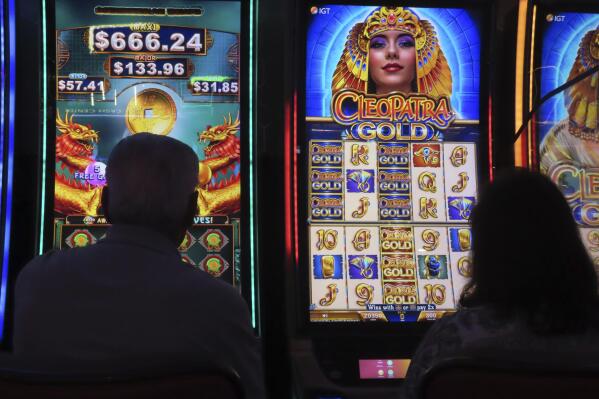
Research shows that the immersive designs of casinos play a significant role in enticing players. The strategic placement of games, the lack of clocks, and the carefully curated ambiance all work together to keep players engaged for extended periods. This phenomenon is closely tied to the human desire for reward and excitement, which is amplified in a casino setting. As players navigate these environments, their senses are constantly stimulated, making it difficult to resist the urge to keep playing.
The role of risk and reward
The psychology of players in casinos is heavily influenced by the concept of risk versus reward. Many individuals are inherently attracted to risky situations, which can be traced back to evolutionary instincts. The potential for a reward, whether it be monetary gain or social validation, can motivate players to engage in high-risk behavior. This is especially true in gambling, where the thrill of winning can overshadow the reality of losing.
Furthermore, the intermittent reinforcement schedule found in games of chance heightens this risk-reward dynamic. Players experience wins sporadically, which creates a sense of unpredictability that can lead to compulsive behavior. This psychological phenomenon often leads individuals to continue playing in hopes of recapturing that exhilarating winning moment, thereby reinforcing their behavior despite potential losses.
The impact of social interactions
Social dynamics in casinos significantly shape the player experience. Many individuals are motivated to participate not only for the chance of winning but also for the social interactions that accompany gambling. Whether it’s sharing a laugh with friends at a poker table or enjoying the camaraderie of cheering for a winning slot machine, these social elements enhance the overall experience.
Additionally, casinos often host events and provide environments that encourage socialization. This communal aspect can foster a sense of belonging among players, making it more likely for them to return. The presence of others can serve both as a motivational factor and a social lubricant, further entrenching players in the casino culture as they seek to relive those positive interactions.
The influence of cognitive biases
Cognitive biases play a significant role in the decision-making processes of players in a casino environment. For instance, the gambler’s fallacy—a belief that past events affect future outcomes—can lead players to make irrational betting choices. Many players might think that because a particular number has not been hit in a while, it is “due” to win, thereby increasing their likelihood of continuing to place bets on that number.
Moreover, confirmation bias can lead players to remember their wins while dismissing their losses, reinforcing positive feelings towards gambling. This skewed perception can make it difficult for players to recognize when they are engaging in unhealthy gambling behaviors, as they often focus on the excitement of the experience rather than the financial consequences.

Exploring further insights into gambling psychology
Understanding the psychology behind player behavior in casinos offers valuable insights into the broader implications of gambling. This knowledge not only aids in developing better strategies for responsible gaming but also highlights the importance of creating safer gambling environments. As the popularity of online casinos grows, understanding these psychological factors becomes increasingly essential for ensuring that players can enjoy gaming in a healthy way.
As we delve deeper into the intricacies of gambling behavior, it is crucial to provide resources and educational materials that address both the rewards and risks of this pastime. Ensuring that players are informed and aware of their behaviors can lead to a more balanced approach to gambling, promoting enjoyment while minimizing potential negative impacts.
